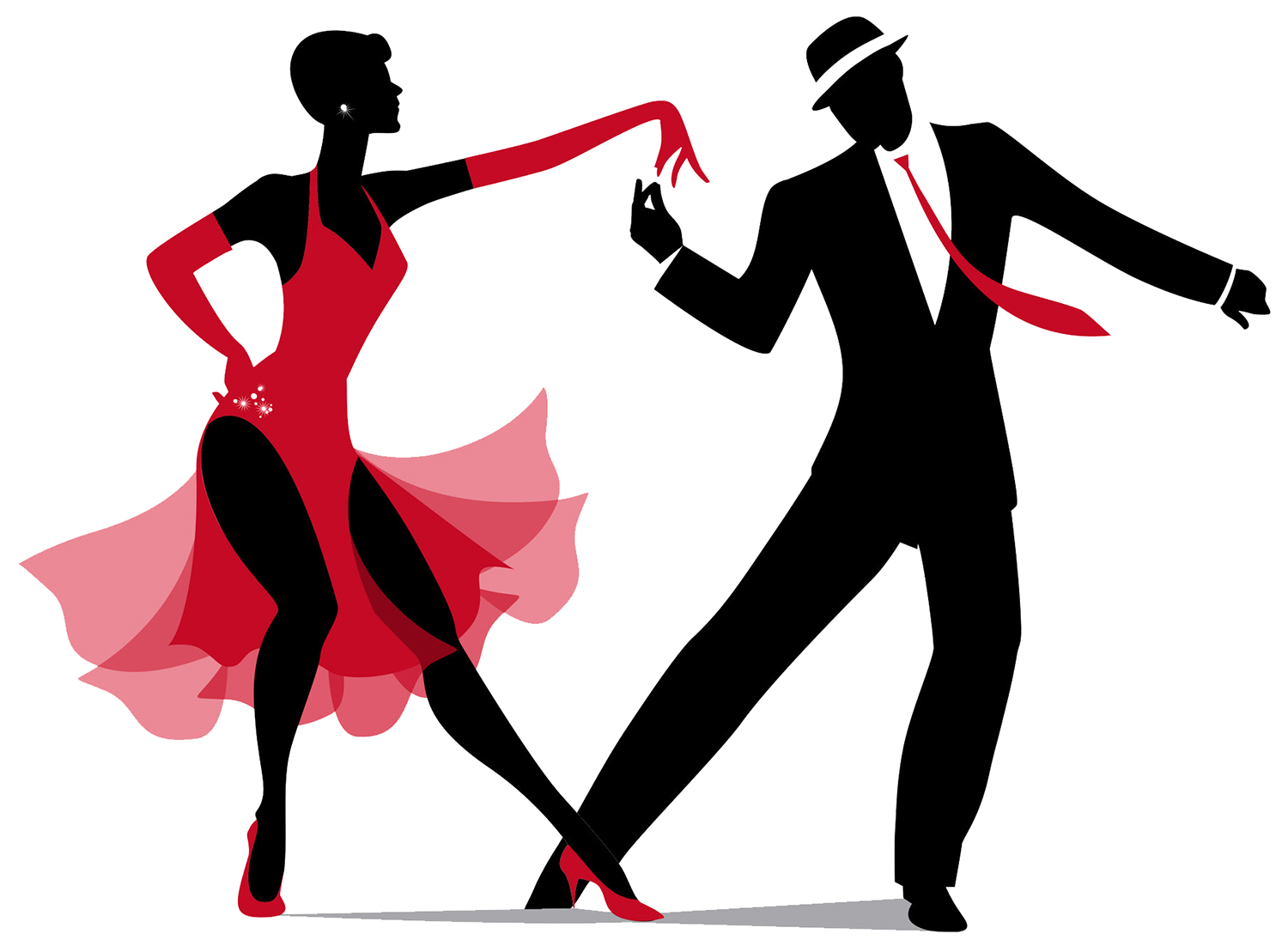
I have to admit that I love a good old, MGM, Technicolor musical every once in a while. There’s something about watching Fred Astaire or Gene Kelly leaping, tapping and sliding across the dance floor and at the end, they’re not winded. My trip to the refrigerator to get a beer during the movie will result in so much huffing and puffing, I need to pause the movie to catch my breath. That happens to everybody, right?
There is something whimsical about these movies that take my mind off my everyday problems, like the rising price of gas, the continued pandemic, and if the Bears are going to draft some real offensive linemen this year. You know, serious, life altering issues.
The elaborate movie musical got it’s start during the Great Depression in the 1930s. The country was having its worst case of economic doldrums ever, and the suffering public turned to Hollywood to provide a distraction. For some reason people, who didn’t know where their next meal was coming from, went to see movies about the uber-rich and their troubles. The maid spilled the martini, someone was wearing white after Labor Day and Uncle Harry was a hopeless alcoholic and womanizer, but the rest of the family loved him because they thought he was harmless and funny. I agree, that doesn’t make any sense, but the 30s is now considered the golden-age of Hollywood.
Many big stars’ careers were started in the 30s, but one of them stood out as he glided across the screen as if he was floating, while in a top hat and tails. Fred Astaire was a small, skinny, balding guy who could dance like no other. People flocked to see him and Ginger Rogers as they Tangoed, Rumbaed, Waltzed and Jitterbugged through a gaggle of movies that all seemed to have the same plot. These films also had great songs by writers like The Gershwin Brothers, Irving Berlin, and Cole Porter that became American standards. They also danced like no one has ever seen before. It’s hard to believe that people chose to watch this instead of the next installment of an epic space soap opera, a shoot ’em, blow ’em up car chase movie or a film featuring mythical creatures with flying wizards and dragons. My wife just notified me they did have a movie like that but the best special effect was when the witch melted in the “Wizard of Oz.” I’ve always wondered how they get those horses to change colors?
The first movie musicals were in glorious black and white. The classic movies that really introduced Technicolor to the American public were “Gone with the Wind” and “The Wizard of Oz.” When they applied this new technology to movies in the 1940s, the movie musical came into its own. It really enhanced the product. We could see Rita Hayworth’s flaming red hair, the heavy, blood red lipstick on Judy Garland, and Gene Kelly’s big white smile that was so shiny and bright that it looked like the finish on a brand new refrigerator.
While Fred Astaire popularized ballroom dancing in movies (yes young people, there was ballroom dancing years before Dancing With The Stars), Gene Kelly introduced athleticism to dancing. Kelly was a frustrated athlete who turned to dancing. The former wannabe baseball player added a layer to movie musicals that helped them become blockbusters. It seems that every musical he made required him to leap from great heights, dance from positions that would make a yoga teacher cry and tap dance faster than a machine gun. Yea, he was a dancer but he also looked like he could deck you with one punch…or kick. Maybe he could have been an MMA fighter.
Both Fred Astaire and Gene Kelly were so talented and successful, the studio gave them control of what kind of dances they did and how they were filmed. Thanks to Fred Astaire, filming dancers head to toe during their on screen routine became standard. Gene Kelly used to rehearse his fellow dancers until their feet bled. They were perfectionists who wanted their dance routines to look like it took little effort to accomplish them, while being perfect. Kind of like how I write these columns. Quit snickering.
My favorite musical from that Gold Age is Singing in the Rain. Over the years I learned that all the songs were taken from previous movies, but they fit the plot so well, it really didn’t matter. The very thin plot was about Hollywood transitioning from silent film to talkies. It was just an excuse to feature some really great dance routines for Kelly, Donald O’Connor and Debbie Reynolds. The dances featuring Kelly and O’Connor are amazing. I think, at the time, Donald O’Connor was the only dancer in films that could keep up with Kelly’s athletic dancing. There have been good musicals made before and after Singing in the Rain, but none better.
The last musical that I saw in a theater was “La La Land.” It won rave reviews and had a lot of dancing and singing but there is no comparison to the musicals made in the 30s, 40s and 50s. The film featured excellent actors, who were not singers or dancers. They could sing, they could dance, but there was nothing special about it. The movie did have a good story. Maybe that was the problem with it. The story was better than the singing and dancing. What do you expect when writers get involved?
I have decided to write a modern day version of “Singing In The Rain.” I will have to make a few changes to fit the times. Since we are suffering from such severe climate change here in Southern California, I will have to call it, ”Singing in the Blazing Heat and Dust Storm.” I’ll need really athletic dancers to make it work.
©2022 BBRiley.net
 bbriley.net